

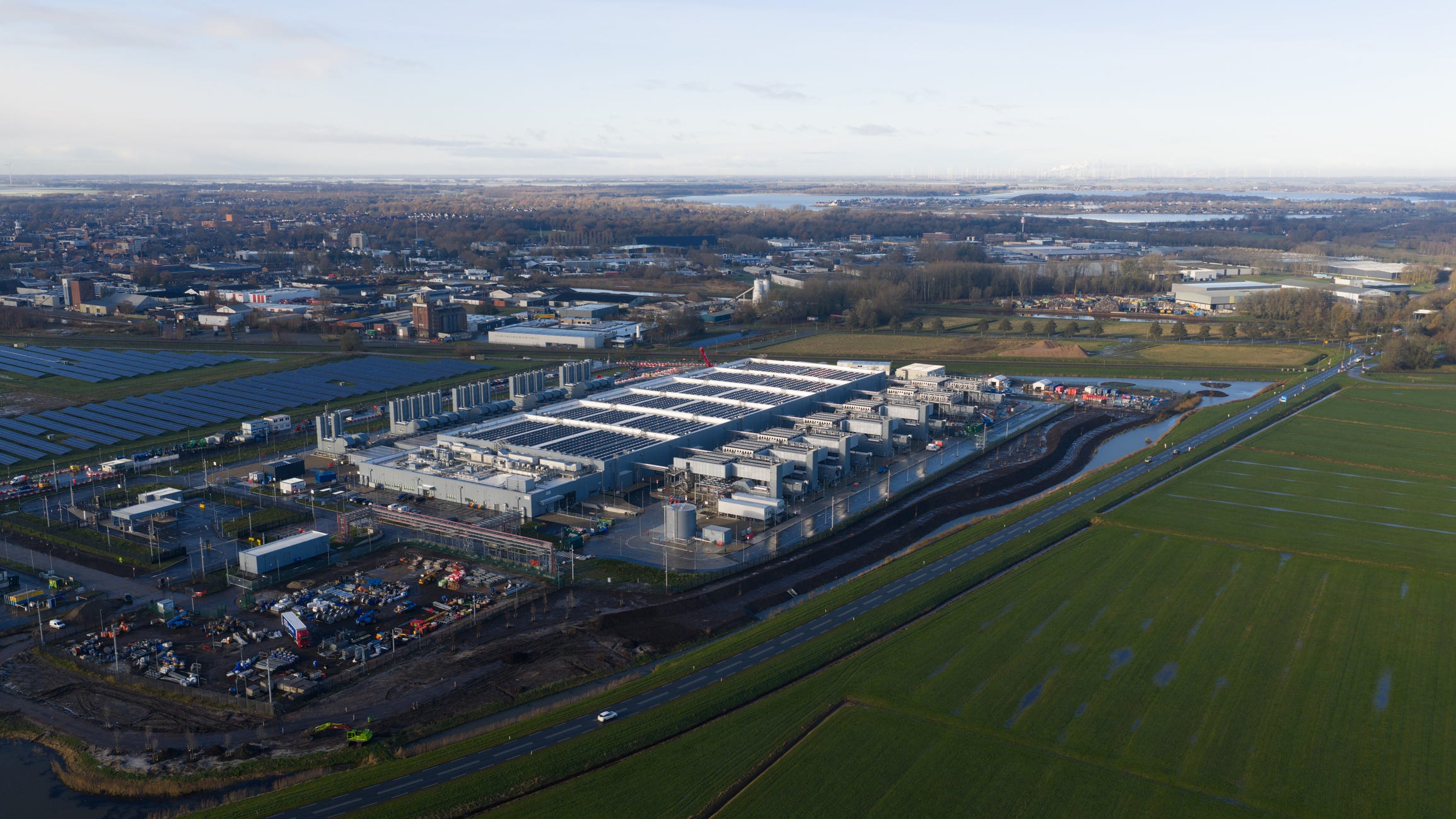
Communities across the country are fighting new data center projects due to concerns about environmental impacts, energy usage, and water consumption. But states are not just allowing these data centers to be built. In many cases, they are providing billions of dollars in tax breaks to incentivize data center construction.
Thirty-eight states offer companies some sort of tax incentive for data centers, which house the technological infrastructure that powers AI models, according to the National Conference of State Legislatures. States provide a variety of incentives, including waiving sales tax on construction materials or computer equipment.
Many of these tax breaks have been in place for years, but as the AI industry has grown exponentially, the cost of the tax breaks has ballooned. Some states are now forfeiting billions of dollars in tax revenue.
Data centers provide limited long-term economic benefits to communities because they create very few permanent jobs. According to a 2025 Business Insider analysis, while data centers provide job opportunities while they are being constructed, “even the largest data centers generally employ fewer than 150 permanent workers.” In some states, the tax breaks “can amount over time to more than $2 million for every permanent, full-time job.” In Illinois, for example, a Microsoft data center “received more than $38 million in data center sales tax exemptions but created just 20 permanent jobs,” according to CNBC.
Meanwhile, the AI industry is engaging in a furious lobbying campaign to keep these tax breaks in place. Many of the companies involved in the effort, including Microsoft, Meta, Amazon, and Google, are highly profitable and have market caps of over a trillion dollars.
A 100% sales tax exemption for 40 years in Ohio
At the end of May, Ohio Governor Mike DeWine (R) announced that he was putting a tax break for new data centers on pause after it created a massive hole in the state budget. Ohio projected that the tax exemption would cost $136 million in fiscal year 2025, but it ended up costing over $1.5 billion. Agreements with Amazon, Meta, and Google included 100% sales tax exemptions for up to four decades on any facility built in Ohio.
The data center industry has a heavy lobbying presence in the state. According to the state’s lobbying database, the AI industry employs at least 37 lobbyists in Ohio, with Google (22), Meta (8), and Amazon (7) topping the list. The Data Center Coalition, a trade group whose members include major companies like Amazon, Google, Microsoft, and Meta, employs three lobbyists in the state. (Some lobbyists represent multiple companies.) A nonprofit created by the Data Center Coalition called Connected Ohio has spent between $8,600 and $10,298 on Facebook ads promoting data centers since the start of May, according to Signal Ohio.
In 2014, Amazon signed an agreement for a full sales tax exemption under an affiliate, Vadata Inc. The agreement, which could last through 2055, was originally estimated to cost the state “$77 million in uncollected tax revenue,” but “the state could end up foregoing 20 times that much,” Bloomberg reported.
Virginia’s $1.6 billion tax giveaway
In fiscal year 2025, Virginia lost an estimated $1.6 billion due to tax breaks for data centers. The cost of Virginia’s tax breaks for data centers has increased dramatically in recent years. In fiscal year 2017, the tax exemptions cost the state $65 million. In 2023, it was $750 million, according to Good Jobs First. This is “an increase of 1,051% in just six years.” When the tax exemption was approved in 2008, it was estimated to cost the state around $1.5 million per year.
The Virginia state budget is currently held up over disagreements between lawmakers over whether to keep the data center tax breaks in place. They are authorized through 2035, but some lawmakers want to begin to phase them out sooner.
The AI industry has launched an aggressive campaign to keep the tax breaks in place. According to the Virginia Public Access Project database, the Data Center Coalition has donated over $400,000 between 2024 and 2026. Virginia Connects, a group established by the Data Center Coalition, spent “at least $700,000 on digital marketing in the state in fiscal year 2024,” Mother Jones reported.
A lobbying blitz pays off in Wisconsin
Tax exemptions for four data center projects in Wisconsin will cost the state over $2 billion in sales tax revenue, including “$1.5 billion in forgone state sales tax revenue” while the data centers are under construction, and “$369 million annually once the facilities are built.” The companies behind the projects are Microsoft, Oracle, Meta, and Epic.
Wisconsin lawmakers approved a sales tax exemption for data centers in the state’s 2023-25 budget. The tax exemption received over 200 hours of lobbying support from companies and business groups, according to Wisconsin Public Radio, including 41 hours of lobbying from Microsoft. In a statement to Wisconsin Public Radio, Microsoft argued that the “incentive makes the state more competitive with other states trying to attract data centers.”
Between 2023 and 2025, Microsoft spent $244,800 on lobbying in Wisconsin, according to the state’s lobbying database. Amazon also spent $60,000 on lobbying in Wisconsin in 2025. Both companies listed legislation related to data center tax exemptions among their lobbying interests.
A Texas-sized tax break
In fiscal year 2025, tax exemptions for data centers cost Texas over $1 billion.
The tax breaks were originally approved long before the surge in data centers. Between 2014 to 2022, the state lost “between $5 million and $30 million” in revenue per year because of the tax breaks, the Texas Tribune reported. But the state is now projected to lose at least $1.3 billion in the current fiscal year. As recently as 2023, the comptroller’s office estimated that the tax breaks would cost $180 million in the 2027-28 budget.
The Texas legislature will debate the tax exemptions for data centers beginning this summer.
The Data Center Coalition has created a nonprofit, Texas Connects, that has begun an ad campaign advocating for data centers, the Tribune reported. Between the 2023 and 2025 sessions, “[c]ompanies that own, operate or rent from data centers collectively added at least 15 more lobbyists,” according to the Tribune. Google and Meta are both planning new data centers in Texas. According to E&E News, Meta spent $1.3 million on the Texas primary elections and Google has “donated tens of thousands of dollars” to lawmakers in the state over the last two years.
The backlash
Multiple other states are considering altering or repealing tax exemptions for data centers. Last week, Illinois Governor JB Pritzker (D) announced that he is temporarily pausing the processing of new applications for data center tax exemptions starting July 1.
According to the National Conference of State Legislatures, lawmakers have introduced proposals in at least 28 states to “substantially amend existing tax breaks.” At least seven states, including Arizona, Connecticut, Georgia, Maryland, Michigan, Pennsylvania, and Washington, have considered legislation that would repeal tax exemptions for data centers entirely.
I'm glad you stressed within the piece how the data shows that for all this lost revenue, comparatively few permanent full-time jobs are created by these data centers. And this is before the myriad concerns with the proliferation of AI, not the least of which is throwing fuel on the fire that is the climate crisis.
I'm too old for this "AI Boom" to really effect my life much, but these kids better be careful. They are playing with a technology they do not understand and it very well may bite them in the ass. For the longevity and prosperity of the human race, AI is a very bad idea, even the people developing it say so. And the energy suck it's going to require will significantly change the planet we live on; well, that they live on.