

Inmates will pay up to 83% more for phone calls, thanks to new FCC rule
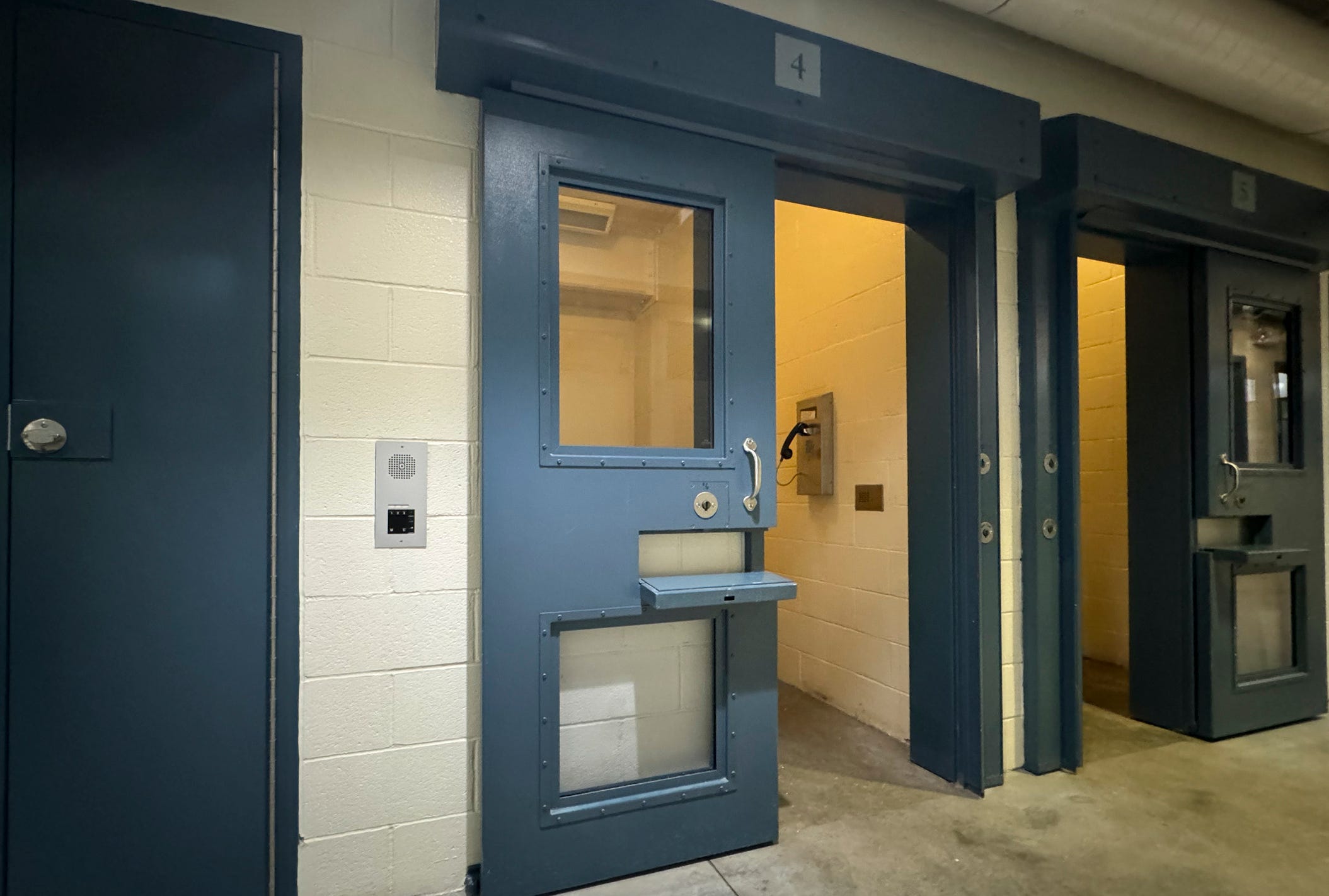
Last week, the Federal Communications Commission (FCC) voted to allow prison telecommunication companies to charge incarcerated people up to 83% more for phone calls. This permanent change comes after a July FCC decision to temporarily raise the maximum rate that telecom companies can charge inmates per minute.
In 2024, the FCC established a cap of $0.06 or $0.07 per minute for inmate phone calls, depending on the size of the prison or jail. This followed the passage of the Martha Wright-Reed Just and Reasonable Communications Act of 2022, which clarified the FCC’s authority to regulate prison communication costs. The act was named for a grandmother who advocated for price caps after spending more than $100 per month to call her incarcerated grandson and sometimes skipped medication payments to afford the bill.
Staying connected to family through phone calls and visitation has been shown to decrease the likelihood that a person will commit another crime when they are released from prison. Before the 2024 rate caps were implemented, inmates reported having to choose between paying for phone calls or other essential goods, like personal hygiene products and shoes.
Now, the FCC has permanently repealed the 2024 rate caps, which would have saved incarcerated people and their families nearly $1 billion per year. While the new rate caps ($0.10 to $0.18 per minute) remain lower than the caps before the Martha Wright-Reed Act ($0.14 to $0.21 for phone), the cost will still be significant for inmates. The caps for video calls have also increased significantly, from $0.11 to $0.25 per minute under 2024 rules to $0.18 to $0.41 under the new rules.
Why is the FCC raising rate caps?
In its announcements of the July decision and the recent vote to make that decision permanent, the FCC provided two justifications for raising the caps on phone call rates.
First, the FCC said that the lowered rate caps were creating “unacceptable risks to safety and security.” However, the FCC did not actually provide any examples of lowered price caps leading to safety incidents. Instead, the FCC said that it was responding to a complaint from a prison telecom company called NCIC, which claimed that the lowered caps did not sufficiently cover the costs of necessary safety measures for prison phone services, without specifying what safety measures were required.
The FCC also claimed that the lowered caps had led to “reductions in the availability of calling services.” Yet the FCC has only cited one example of a prison or jail ending phone call access due to the lowered rates.
In March, the jail in Baxter County, Arkansas announced it would end phone call services, which the FCC claims was due to lost revenue from the lowered rate caps. However, the Baxter County sheriff blamed a ban on site commissions, or kickbacks, enacted in 2024. Site commissions are a percentage of revenue from phone calls that prison telecom companies pay to the operator of a prison or jail. The Baxter County jail ended phone services because it was no longer able to profit from the calls.
The FCC provided no evidence that lowered rate caps directly led to the cancellation of phone services at prisons and jails.
The uncertain future of kickbacks
While the FCC voted to raise the rates for prison phone calls, the commission is reinstating a ban on kickbacks and ancillary fees.
In July, Popular Information reported that the prison industry directly benefited from the money spent on prison phone calls, as prison operators were offered kickbacks to secure lucrative contracts with companies providing prison phone services. Prison operators received “almost 48%” of the revenue from prison phone calls as kickbacks, according to a 2014 press release from the Human Rights Defense Center. Prison operators were, in turn, incentivized to award phone contracts to companies charging incarcerated people exorbitant fees, as they were rewarded with larger kickbacks.
Private prison companies no longer disclose how much money they make in kickbacks, but the New Times Broward-Palm Beach reported that in 2012 private prison company GEO Group earned over $600,000 in commissions from phone companies. According to an FCC estimation, “phone companies sent more than $460 million back to prisons and jails” in 2013.
In lieu of kickbacks, the new rule allows prison operators to be paid 2 cents per minute, regardless of whether they incur any costs associated with the calls. The ability to continue generating revenue from phone calls is a significant benefit to private prison operators like The GEO Group and CoreCivic — both major political donors to President Trump’s political operation.
While the FCC has banned kickbacks for now, the press release states that the commission is “seeking further comment” on the issue, signifying that it is open to removing the ban on kickbacks in the future.
In a proposed rule fact sheet from October 7, the FCC also outlines examples of ancillary fees that it is considering reinstating, including “automated payment fees,” “third-party financial transaction fees,” and “certain transaction fees” such as “a live agent fee and a single call fee.”
In an October 21 letter to the FCC, a group of organizations argued against reconsidering the ban on kickbacks and ancillary fees, calling them “devastating” and “predatory.” The letter notes that in the FCC’s October 7 fact sheet, the commission states that kickback “payments have historically exerted upward pressure on rates” and that ancillary charges “have long been a source of detrimental practices.”
No one should profit off the backs of incarcerated people, that's a form of slavery. "No slavery and involuntary servitude (shall exist in the United States) except as punishment for a crime, etc." is the basis of the Thirteenth Amendment and has oddly locked slavery into place i.e. prison but is it viable? Shouldn't phone calls, like paper and pens, be free? Isn't communication a basic and universal right? Prisoners have a few of those: food, shelter, health care, clothing and, it seems to me, the absolute right to communicate in person, by mail or by phone should be a basic human right. Whoever is making money off of this deserves a place in hell.
I mean, when people have to choose between phone calls and essentials, we've gone overboard. With rules like this, Brendan Carr is really distinguishing himself as FCC chair, but in a bad way.