

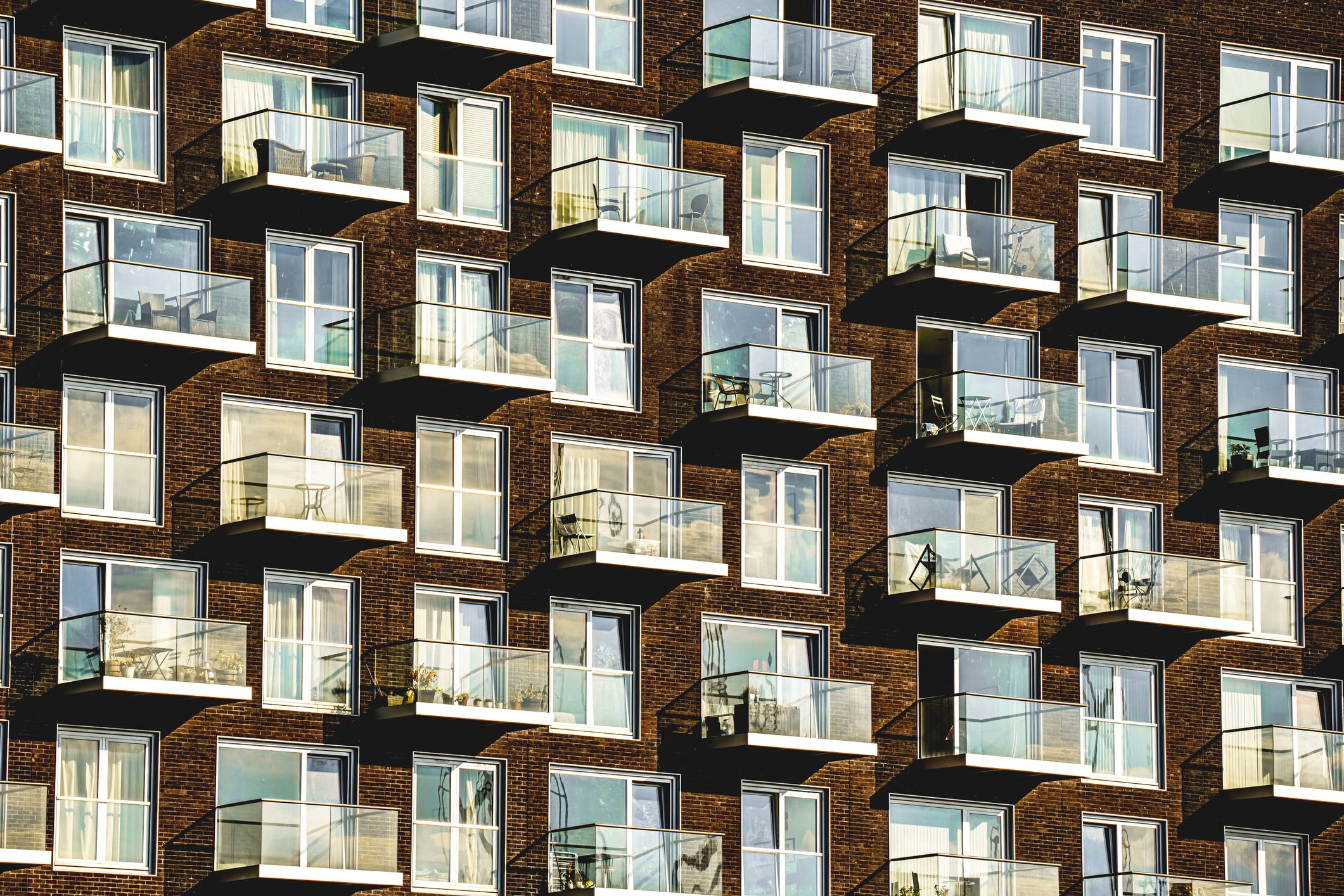
In the last few years, rents across the United States have skyrocketed. According to a Congressional Research Service analysis of data from the Census Bureau’s American Community Survey, more than 22.7 million renter households, or nearly half, were considered “cost burdened” in 2024, meaning they spent more than 30% of their income on housing costs.
According to a March 2026 report by Zillow, “rents have increased by 36.2%” since the beginning of the COVID-19 pandemic. In March, the typical asking rent was $1,910, according to Zillow, meaning that a household would have to earn at least $76,400 a year to be able to comfortably afford it.
Rising rents in the U.S. are a complex problem. But one factor contributing to higher costs for renters is the concentration in ownership. According to a new report by the Private Equity Stakeholder Project, private equity firms now own “at least 11,800 apartment buildings with almost 3 million units,” or approximately 13% of apartment units in the U.S.
The number of apartments owned by private equity firms has increased dramatically in recent years. Over 1.3 million apartment units have been acquired by private equity firms since just 2021.
In some states and major metro areas, the concentration of apartments owned by private equity firms is even higher. In Georgia, for example, private equity firms own nearly one-third of all apartments and in North Carolina, private equity owns nearly one in four apartments. In many major metro areas, including Atlanta, Austin, Charlotte, and Orlando, over 30% of apartment units are owned by private equity.
Many states with high concentrations of apartments owned by private equity have also experienced large increases in the number of renters who are cost burdened. Arizona, Nevada, Georgia, Texas, and Florida, for example, all have a high percentage of private equity owned apartments and have had some of the biggest increases in cost burdened renters. This is also true for many large metro areas, including Tampa-St. Petersburg, Phoenix, Dallas-Fort Worth, Atlanta, and Charlotte.
Private equity landlords can lead to higher rent prices, aggressive evictions, and lower quality of life, according to the report.
The private equity playbook for rental units
Private equity firms buy apartment buildings to increase their value and then sell them, ultimately providing a return to their investors. In order to maximize this return, private equity firms hike costs for tenants while cutting down on their own costs, such as maintenance.
This leaves tenants paying more to live in a lower-quality apartment.
The report points out several examples of this. In San Diego, after Blackstone purchased dozens of properties with almost 6,000 units in 2021, tenants reported mold, cockroaches, and rats in their buildings. At the same time, their rent was increasing by up to $200 per month. In Arizona and Florida, Starwood Capital raised rents by 30% or more at certain properties while tenants at other low-income properties complained about leaking appliances and mold. In some cases, widespread maintenance issues and rising costs have led to unionization efforts by tenants in private equity-owned properties.
Another profit-maximizing strategy employed by private equity exploits low-income housing. Private equity firms acquire buildings funded by low-income housing tax credits at a low cost while rent restrictions still apply. Then, once those restrictions expire, they increase rents and sell the properties for a large profit. There are half a million units in the U.S. whose rent restrictions will be lifted by the end of the decade. Blackstone, for example, has focused on this tactic, spending over $5 billion on purchasing low-income housing in 2021 alone.
A ProPublica investigation from 2025 found that private equity firms and other wealthy investors frequently exploit a loophole that allows them to get out of the rent restrictions on buildings funded by low-income housing tax credits earlier than they normally would be able to. According to ProPublica, this loophole has remained in place largely due to lobbying by private equity firms and developers.
AI rent collusion
The added fees, maintenance issues, and aggressive evictions that tenants face are compounded by the fact that many of the private equity firms are effectively colluding to raise rental prices.
As Popular Information has reported on previously, many private equity firms use a property management software called RealPage, which offers an AI-optimized algorithm for determining rents.
In January 2025, RealPage and private equity firms including Blackstone, Cortland, and Greystar were sued by the Department of Justice and attorneys general in ten states. The lawsuit alleged that RealPage had created a “cartel” by getting nonpublic information from competing corporate landlords about their rental units and using it to create its price-setting algorithm, which all of the participating landlords then had to use to set their rental rates. Essentially, RealPage allows corporate landlords to collude and inflate their prices through a third party, instead of having to directly exchange information with each other.
RealPage’s algorithm has come at a significant cost to tenants. A report by the White House Council of Economic Advisers from December 2024 found that in 2023, rent inflation caused by RealPage cost American renters more than $3.6 billion. On average, the report found that renters in units whose price was set by RealPage were paying an additional $70 per month, but in some metro areas, that number could exceed $100.
Private equity again? It has driven companies out of business to line greedy pockets. It has ruined nursing homes and hospitals to line greedy pockets. Now it make affordable housing unaffordable to line greedy pockets. Seems to me the problem is obvious and one that brave politicians could solve if they were so motivated.
Reminder that the right to housing is recognized as a universal human right, regardless of what these parasitic private equity landlords using AI to collude against investors would suggest.